

Why Construction Blogging Builds Real-World Authority (and Leads)
Every general contractor, roofer, HVAC company, and specialty trade firm knows that word-of-mouth has always been the gold standard for winning work. But here’s the reality in 2026: before that property manager calls you for a quote, before that homeowner requests an estimate, and before that developer adds you to their bid list, they’ve already Googled you and read your project portfolios, website blog content, about page, and more.
And what they find (or don’t find) determines whether you ever get that call.
Building authority with construction blogging transforms your company website from a static digital brochure into a 24/7 lead generation machine. When you consistently publish helpful content that answers the exact questions your potential clients are typing into search engines, you position your construction company as the obvious choice in your market. You’re not just another name on a list—you’re the expert who already understands their problem.
The data backs this up: construction firms with active blogs consistently generate more qualified form fills and phone calls than those with static websites. Why? Because 70% of construction decision-makers research online before ever picking up the phone to make contact with a sales representative. That’s not marketing fluff—that’s how modern buyers behave.
RSM Marketing is a Kansas City-based digital marketing agency that’s been working exclusively with commercial and residential contractors since 2010. We plan, write, and promote contractor blogs as an ongoing managed service because we know you’re too busy running crews and managing projects to sit down and write 1,500 words about building codes. Stop stressing about your next lead, your blog can be quietly selling you 24/7 while you’re on the jobsite.
The Power of Blogging for Construction Companies

Blogging isn’t optional for construction business growth—it’s foundational. Whether you’re a commercial general contractor bidding on multi-million dollar projects or a residential roofer handling storm damage repairs, consistent blog content positions your firm as the trusted resource in your market.
Think about what your best customers ask before they sign a contract: How long will this take? What permits do I need? How do I know if my roof needs replacement or just repairs? What should I budget for a parking lot rehab? A well maintained blog answers these questions before prospects even call, building trust and filtering for serious buyers.
High-quality blogs aren’t about fluffy news updates or “5 fun facts about concrete.” They’re about answering specific questions that owners, facility managers, and homeowners actually type into Google. When your content matches their search terms, you win more traffic—and more traffic from the right people means more leads.
Here’s what separates construction firms that dominate their markets from those struggling to fill the pipeline: a strong blog supports every other channel. Your blog posts feed your social media platforms with shareable content. They provide material for email nurture sequences. They give your sales team talking points for proposals. They even support recruitment by showcasing your culture and expertise.
Compare the “word-of-mouth only” contractor with one publishing regular authority content. The blogger wins more RFP invites, commands higher margins, and spends less time chasing tire-kickers because their website’s authority has already pre-qualified the leads.
Establishing Authority and Expertise
Authority in the construction industry isn’t claimed—it’s demonstrated. Your completed projects prove you can build, but your blog proves you understand the entire process from a client’s perspective.
Here are concrete ways construction blogging establishes your expertise:
Regulatory and code expertise. Detailed posts about building codes, permitting steps, OSHA safety standards, or ASTM material specifications show you’re on top of regulations. When a facility manager reads your breakdown of 2024 IECC energy code changes and how they affect commercial HVAC installations, they trust you understand more than just the physical work.
Project case studies. Posts like “How We Delivered a 120,000 Sq Ft Tilt-Up Warehouse in Olathe on a Compressed Schedule” prove capability with specifics. Include timeline challenges, solutions, and measurable outcomes. These become a valuable resource for prospects evaluating your experience.
Cost transparency articles. “What a 2,000 Sq Ft Home Addition Really Costs in Kansas City in 2025” builds trust by addressing the question every residential client is secretly wondering. Being upfront about pricing ranges positions you as honest—not evasive.
Process explainers. Walk through preconstruction, bidding, mobilization, and closeout in plain language. Commercial buyers especially want to understand your risk management approach.
Get your knowledge out of your head and onto your website. At RSM Marketing, we’re experts at extracting expertise from PMs, superintendents, and owners through structured interviews. You talk, we write—and your authority grows with every published post.
Enhancing Online Visibility with SEO-Driven Blogging
Every blog post you publish is another indexed page in Google’s eyes—another chance to rank for the search terms your ideal clients use. This is where blogging and your SEO strategy intersect to drive measurable business growth.
When you write about “concrete parking lot repair Overland Park” or “commercial roof replacement Kansas City,” you’re targeting specific, high-intent search engine ranking opportunities. These aren’t people browsing randomly; they’re owners and managers with a problem to solve and a budget to spend.
Long-tail queries are your secret weapon. A post answering “how long does TPO roofing last in Kansas humidity?” might not get massive website traffic, but the visitors it does attract are highly qualified leads ready to talk. This approach generates more organic traffic from people who actually convert into paying customers.
Effective SEO strategy also means smart internal linking. Every blog should guide readers toward your service pages and RFQ forms. When someone finishes reading about hail damage assessment, they should be one click away from requesting an inspection. This is how you turn web traffic into construction leads.
RSM Marketing designs content calendars around real construction SEO data—search volume, keyword difficulty, and competitor gaps. We don’t guess what to write; we use keyword research to identify opportunities where your firm can rank and win.
Blogging also improves dwell time and customer engagement, which are positive signals for search engines. When visitors spend four minutes reading your detailed guide instead of bouncing after ten seconds, Google notices.
Strengthening Client Relationships Between Projects
Commercial construction projects might be three to five years apart for a single client. Residential clients might not need another major renovation for a decade. How do you stay top-of-mind during those gaps?
Blog content keeps your brand in front of current clients without constant sales pitches. Educational series for property managers—seasonal maintenance checklists, “what to do before your next capital improvement,” or warranty FAQ guides—deliver ongoing value. When they’re ready for the next project, you’re already the trusted partner.
Use your blog to proactively answer the questions that usually clog up phone lines and email inboxes. What causes change orders? How do weather delays actually work? What does your warranty cover? Addressing these in helpful content reduces friction and positions you as transparent.
Sharing these posts via email newsletters extends their reach. A quarterly newsletter linking to your three latest blog posts keeps past clients engaged without feeling marketed to. It’s client relationships maintenance on autopilot.
Storytelling matters here too. Showcase crews, apprentices completing training, and community projects to humanize your brand. This builds loyalty beyond transactional relationships.
You’re the kind of person who walks off a broken ankle—your blog should show that same grit and reliability to your clients.
Choosing Construction Blog Topics That Actually Build Authority
Random blogging doesn’t move the needle. Publishing “5 Fun Facts About Drywall” might fill a content calendar, but it won’t generate leads or establish authority with serious buyers.
Strategic topic selection must be driven by three factors:
- Client questions – What do prospects and customers actually ask during sales calls, walkthroughs, and project meetings?
- Search data – What are people in your market typing into Google? What relevant keywords have volume but aren’t dominated by national competitors?
- Strategic positioning – What do you want to be known for? Design-build? Green building? Fast-track interiors? Insurance restoration?
Commercial and residential audiences care about different problems. A facility manager worries about minimizing tenant disruption during a reroofing project; a homeowner worries about whether they’ll be able to use their kitchen during a remodel. Your blog must reflect that difference.
RSM Marketing uses structured interviews with firm owners, estimators, and PMs to plan topic calendars that match real sales conversations. Tired of always coming up with what to do next? We’ve got ideas for days.
Aligning Topics with Your Ideal Clients and Project Types
The best blog topics are reverse-engineered from your best projects. Think about your most profitable job last year: What questions did that client ask before signing? What did they worry about during construction? What feedback did they give after closeout?
Those questions become blog posts that attract more clients just like them.
Consider niche-specific series tailored to your target audience:
| Audience | Example Blog Series Topics |
|---|---|
| Healthcare Facility Managers | Infection control during occupied renovations, ICRA protocols, phased construction approaches |
| Industrial Property Owners | Slab repair vs. replacement decisions, dock leveler maintenance, warehouse lighting upgrades |
| Multi-Family Developers | Roof replacement vs. repair analysis, capital planning for HOAs, exterior envelope inspections |
| Homeowners | Financing options for major renovations, realistic kitchen remodel timelines, how to prepare your home for construction |
Residential contractors should create authority posts on topics like permitting requirements by city, financing options for large projects, and realistic timelines for kitchens, additions, roofing, and whole-home remodels. Speak directly to decision-makers—not vague “audiences.”
Covering Industry Trends, Codes, and Best Practices
Timely content about industry trends shows you’re paying attention to forces that affect your clients’ projects. Posts on building materials pricing volatility (lumber and steel swings in 2024-2025), supply chain strategies, and how contractors help owners plan around uncertainty demonstrate forward-thinking capability.
Cover building code changes, energy standards like IECC updates, and local permit requirements specific to your service areas. When Kansas City adopts new energy code requirements, you should be the first construction website explaining what it means for commercial owners.
Trend pieces on modular construction, prefabrication, mass timber, EV infrastructure, and solar-ready roofs position you as an innovator—not just a builder doing things the way they’ve always been done.
Combine trend commentary with real projects: “How We Applied 2024 IECC Changes on a 50,000 Sq Ft Office Renovation.” This proves you’re not just aware of industry insights—you’re implementing them.
RSM can turn internal safety meetings, toolbox talks, and preconstruction lessons learned into polished, authoritative posts. Your team’s knowledge is the raw material; we refine it into content that ranks.
Showcasing Projects and Case Studies Without Giving Away the Farm
Case studies are among the most powerful tools for establishing authority because they combine storytelling with proof. But many contractors either skip them entirely or produce generic project lists without useful detail.
Here’s a simple, repeatable format for project blog content:
- Client type and context – Commercial warehouse developer, multi-family property manager, homeowner planning retirement remodel
- Challenge – “Hey boss, got a small major problem?” Describe the real constraint: compressed timeline, occupied building, difficult site access, budget limitations
- Solution – What approach did you take? What value engineering or innovation did you bring?
- Timeline and budget range – Be specific enough to be credible without exposing proprietary details
- Measurable outcome – Delivered two weeks early, came in 8% under budget, zero safety incidents, tenant satisfaction scores
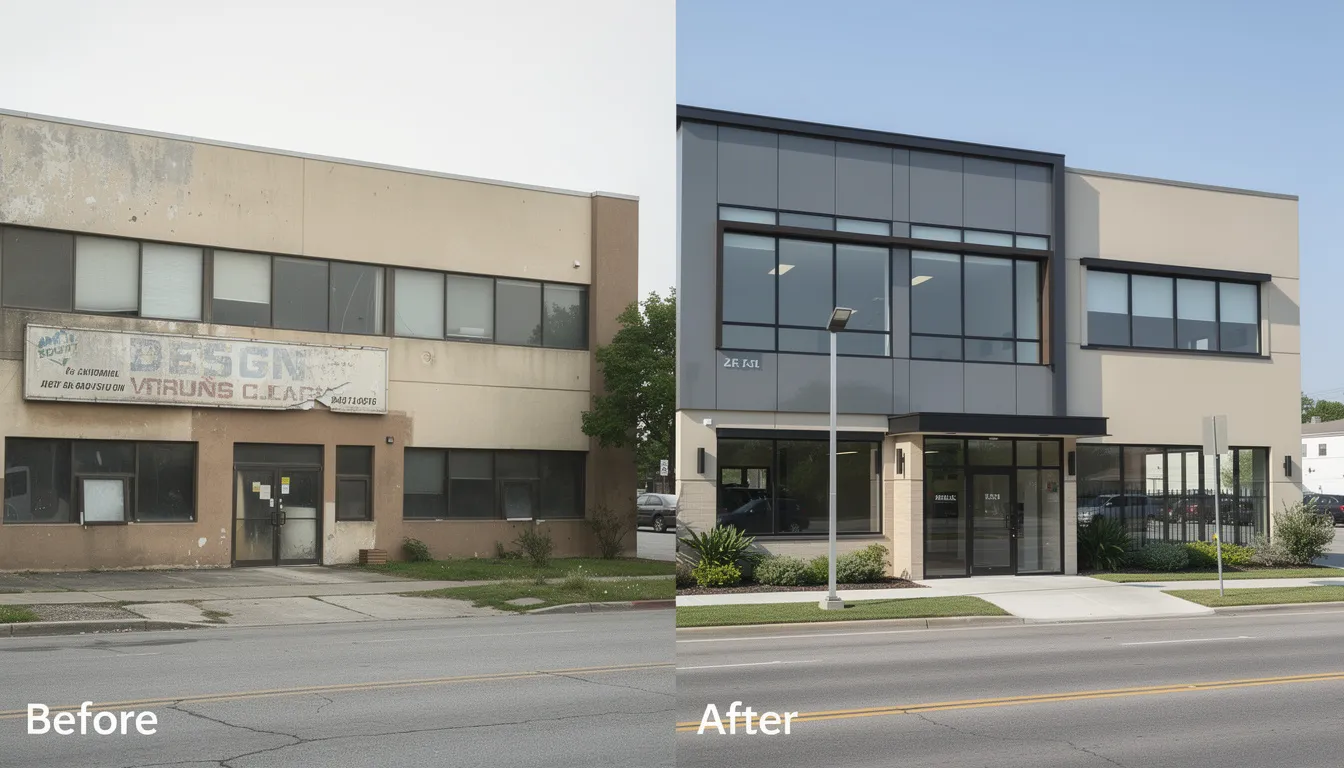
Before-and-after photos, drone shots, and time-lapse videos embedded in these posts make them far more engaging. Professional photography pays for itself when these images support multiple blogs, social posts, and proposal materials.
Commercial buyers look for capacity and risk management; homeowners look for trust, communication, and respect for their property. Your case studies should reflect what each audience cares about.
End each case study with a subtle CTA inviting similar project inquiries—not a hard sell, just an open door.
Crafting High-Quality, Engaging Construction Blog Content
The goal isn’t to impress other contractors with your technical vocabulary. It’s to make complex construction topics understandable for owners, developers, and homeowners who need your expertise but don’t share your background.
Authority comes from clarity and usefulness—not jargon overload. Even highly technical audiences like architects and engineers appreciate content that gets to the point without unnecessary complexity.
RSM Marketing often interviews superintendents, project engineers, and estimators, then “translates” their knowledge into blog content that resonates with facility managers, property owners, and homebuyers. You provide the expertise; we make it readable.
Making Technical Topics Easy to Understand
The best construction blog posts feel like a conversation with a seasoned PM walking a client through a job—practical, specific, and respectful of their time.
Practical writing guidelines for informative content:
- Short paragraphs. Three to four sentences maximum. Dense walls of text lose readers.
- Clear headings. Let readers scan for what they need.
- Real numbers and timeframes. “Most asphalt parking lots need significant rehab within 15-20 years in Kansas winters” beats “parking lots eventually need maintenance.”
- Step-by-step processes. Walk through preconstruction, permitting, mobilization, critical path, punch list, and closeout in logical order.
- Side-by-side comparisons. TPO vs. EPDM vs. metal roofing. Slab-on-grade vs. structural slab for certain loads. Help readers make informed decisions.
Your tone should convey experience without arrogance. Write content that helps people understand, not content that shows off what you know.
Injecting Your Brand Personality (Without Losing Professionalism)
Construction is a people business. Let your company culture show in your writing—field humor, straight-talking explanations, and “day in the life” stories differentiate you from generic competitors.
Threaded brand messaging works well in introductions and conclusions:
- “Don’t just rub dirt on it—fix it with a capital plan and a qualified GC.”
- “Hot tar smells like money to you—let’s make sure your online presence smells like success to your customers.”
- “Nothing’s more expensive than trying to save money on the wrong contractor.”
Consistent voice across blog posts, social media, and project pages builds a recognizable brand. When a prospect reads three of your articles, they should feel like they know your company’s personality.
RSM Marketing positions ourselves as the partner that turns “bring us your pig” stories from the field into market-ready, on-brand narratives. You’ve got great stories; we know how to tell them.
Supporting Visuals: Photos, Diagrams, and Time-Lapse
Visual content dramatically increases engagement. Posts with strong imagery keep readers on page longer—an important signal for search engines and a better experience for prospects.
Best practices for visual blog content:
- Annotated project photos. Before, during, and after shots that illustrate key construction stages. Show progress, not just finished results.
- Simple diagrams. Roof assemblies, building envelope layers, and drainage details help explain complex topics when appropriate.
- Time-lapse clips. Embed short videos for major commercial builds or large residential renovations to demonstrate scale and competence.
- Professional photography. Invest in quality images that can be reused across blogs, proposals, and social media.
RSM can coordinate with in-house or third-party photographers and drone operators to build a reusable visual library for your construction marketing efforts.
Building a Consistent Construction Blogging Machine
An inconsistent blog undercuts authority faster than no blog at all. One post every quarter signals to search engines (and prospects) that your website isn’t a priority. In 2025, competitors publishing regularly will outrank and out-convert you.
Busy contractors need a system, not good intentions. Blogging should be run like a project—with a schedule, an owner, and deliverables.
We keep going and producing, even if you’re too busy to talk to us. We don’t just set it and forget it—we actively grow your online visibility.
Setting a Realistic Publishing Schedule
For small to mid-sized construction firms seeking meaningful SEO and authority gains, we recommend a minimum cadence of two to four new blog posts per month. This frequency signals to search engines that your site is active while providing enough content to attract more traffic over time.
Align topics with seasonal demand:
| Season | Commercial Topics | Residential Topics |
|---|---|---|
| Spring | Budget season prep for facility managers, parking lot assessment after freeze-thaw | Deck and patio planning, exterior painting |
| Summer | Concrete pour best practices, roofing project scheduling | Addition timelines, siding replacement |
| Fall | Winterization for commercial buildings, HVAC maintenance | Storm damage preparation, gutter systems |
| Winter | Capital planning for next fiscal year, snow removal contracts | Interior remodeling, planning spring projects |
Assign clear internal roles: subject-matter experts (your PMs, superintendents, estimators), an internal coordinator who schedules brief interviews, and an external writing partner like RSM who handles production.
Batch-record interviews or voice memos during job walks to save time. A ten-minute conversation can become two or three blog posts when handled by industry experts who know how to extract valuable insights.
Promoting Blog Posts Across Channels
Publishing a blog post is only half the job. Every piece of content should be repurposed and amplified across channels to maximize reach.
Post-publication checklist:
- Share on LinkedIn, Facebook, and Instagram with channel-specific captions
- Include in monthly or quarterly email newsletters to past clients and prospects
- Add to “Recent News” or “Insights” sections on web pages
- Use snippets in sales decks, proposal narratives, and bid support documentation
- Repurpose key points into social media stories and short videos
RSM’s “Do Something” social package takes a single blog and turns it into multiple social posts, stories, and short-form videos. You focus on building; we make your social media platforms look lively and professionally managed.
Measuring Performance and Refining Your Strategy
What gets measured gets improved. Track these core metrics for your construction content strategy:
- Organic traffic to blog pages – Are more people finding your content through online searches?
- Time on page – Are visitors actually reading, or bouncing immediately?
- Leads attributed to blog visits – Which posts generate form fills and phone calls?
- Assisted conversions – Which blogs appear in the conversion path even if they weren’t the last click?
Review performance quarterly to identify which topics and formats attract your best prospects. Some firms find that detailed guides outperform quick tips; others discover case studies drive the most qualified leads.
Google Analytics can reveal content gaps—high search results volume for topics you haven’t covered, or strong engagement on subjects you’ve only touched once. These insights fuel your next quarter’s calendar.
RSM Marketing uses analytics dashboards to continually adjust content calendars so you “get busy growing, not guessing.”
Integrating Blogging with Your Broader Construction Marketing
Blogging isn’t a silo—it’s the content engine that powers your entire digital marketing ecosystem. Every blog post supports web design, SEO, ads, email, hiring, and reputation management when integrated properly.
RSM Marketing builds coordinated systems, not isolated tactics. Your blog feeds your social media. Your social media amplifies your blog. Your email nurtures leads who found you through search. Everything works together.
Web Design: Turning Blog Authority into Conversions
A modern, mobile-friendly contractor website should highlight recent posts on the homepage and key service pages. Visitors using mobile devices should find your content just as easily as desktop users—responsive design is non-negotiable.
For commercial RFQ audiences, create a dedicated “Resources” or “Insights” section showcasing your most valuable content. This positions you as a thought leader, not just a bidder.
Place clear CTAs near and within blog posts:
- Schedule a walkthrough
- Request a bid
- Download our preconstruction checklist
- Get a free roof inspection
RSM designs construction websites where portfolio, service pages, and blogs reinforce each other to drive more leads. Your website’s visibility improves when every element works together.
SEO and Local SEO: Owning the Map Pack with Content
Blogs targeting local issues reinforce your Google Business Profile relevance. Write about freeze-thaw damage specific to Kansas City, wind uplift requirements in Oklahoma, or flood zone considerations in Missouri. Local businesses win local searches by addressing local problems.
Location-focused posts (city or metro-specific) help capture “near me” search results for both residential and commercial work. Link from these blogs to corresponding city or service-area pages to build topical authority and domain authority.
Getting into the Google Map Pack requires a combination of factors. RSM combines on-page optimization, strategic blogging, citation work, and review generation to push contractors up the local SEO rankings.
Paid Ads, Email, and Social: Squeezing More Value from Each Post
Authority blogs make excellent landing pages for Google Ads and social ad campaigns, especially for higher-ticket projects. Instead of sending paid traffic to a generic service page, send them to valuable content that educates and builds trust.
Include educational blog series in email nurture sequences for cold leads, past bids, and referral partners. A prospect who didn’t convert six months ago might be ready now—and your helpful content keeps you in consideration.
Snippets from blogs power daily or weekly social media posts showcasing crews at work, safety culture, and craftsmanship. You don’t need to create new content every day; repurpose what you’ve already written.
RSM handles copywriting, scheduling, and reporting so contractors don’t have to “come up with what to do next” every week. We keep producing; you keep building.
Recruitment and Reputation: Blogging Beyond Just Sales
Culture-focused blogs attract better field and office talent. Apprentice success stories, safety milestones, and training program highlights show potential hires what it’s like to work for your firm.
“Day in the life” and “career path in our company” posts can be used in job ads, career pages, and recruiter outreach. Address common hiring objections directly: travel expectations, overtime policies, safety programs, and advancement opportunities.
Reputation blogs—community involvement, awards, customer testimonials—reinforce your review profiles and overall brand trust. When a potential customer finds your blog alongside strong local searches reviews, they see a company that’s established and credible.
RSM can integrate recruitment messaging into ongoing content so hiring momentum doesn’t stop when project work gets busy.

Stop Stressing About Your Next Lead: Let Your Blog Do the Heavy Lifting
Strategic construction blogging builds website’s authority, improves search rankings, supports sales conversations, and eases the constant pressure to find the next project. When your construction website is populated with high quality content answering the questions your potential customer is asking, leads come to you.
Don’t just rub dirt on your marketing—fix it with content that works as hard as you do. You fix buildings; we fix your marketing. Together, we’ll establish authority that brings more qualified leads through your door.
RSM Marketing offers a managed blogging program for commercial and residential contractors: content strategy, topic planning, expertise extraction interviews, professional writing, search engine optimization, design integration, and multi-channel promotion. We keep going even when you’re too busy to talk.
Ready to build a blog that actually generates high quality leads?
Schedule a consultation with RSM Marketing to map out a 90-day construction blogging plan. Whether you’re focused on commercial, residential, or both—we’ve got the ideas, the execution, and the industry insights to make your online presence work as hard as you do.
Get busy growing—or get busy watching your competition pass you by.